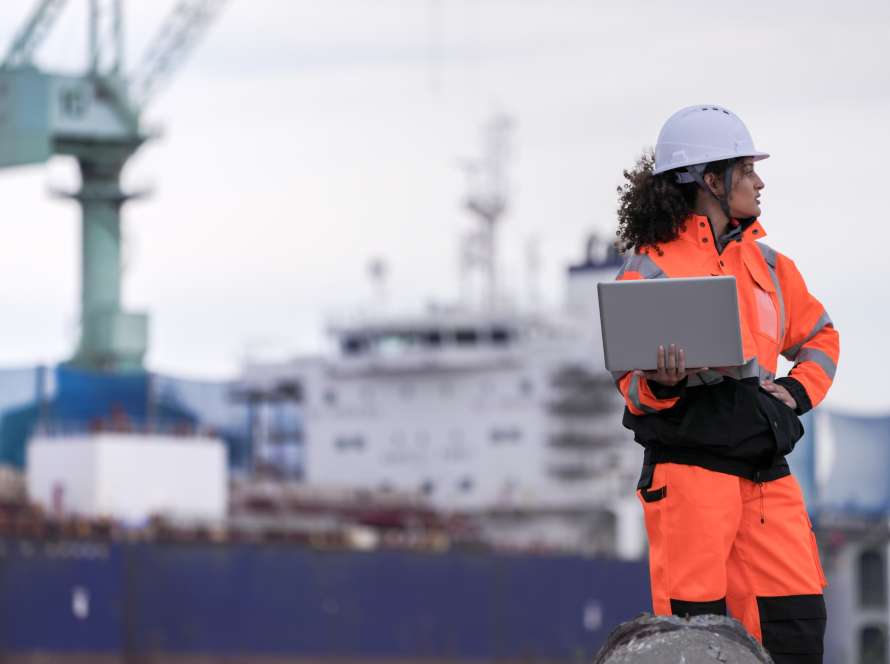
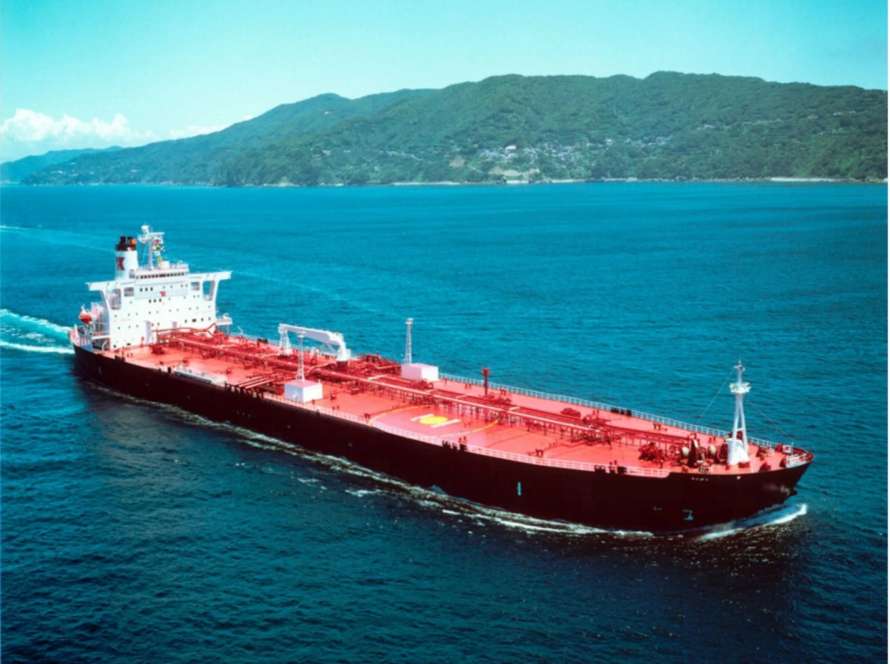
Welcome to the Blue Economy – the sustainable use of ocean resources for economic growth, improved livelihoods, and the health of marine ecosystems
What Exactly Is the Blue Economy?
The Blue Economy is not just about fishing or shipping , it’s about value creation from all ocean-linked activities. It includes marine logistics, shipbuilding, aquaculture, offshore energy, tourism, biotechnology, and even renewable energy from waves and tides.
Globally, the Blue Economy is valued at over $2.5 trillion annually, supporting more than 30 million jobs. In Africa, with its 30,000 km of coastline and vast Exclusive Economic Zones, the potential is enormous ; yet much of it remains untapped.
For Nigeria, a country blessed with 853 km of coastline and some of West Africa’s busiest shipping corridors, the ocean could be more than a passageway. It could be a platform for diversification, innovation, and sustainable development.
Why the Ocean Matters More Than Ever
Maritime trade already anchors the Nigerian economy. Over 90% of the nation’s external trade moves by sea. But beyond cargo lies a deeper story – one of energy, environment, and employment.
The ocean offers opportunities to:
- Diversify revenue beyond oil and gas, through marine tourism, fisheries, and offshore renewable energy.
- Create jobs for coastal communities and young professionals entering logistics, vessel management, and marine sciences.
- Promote sustainability by encouraging cleaner shipping practices and protecting marine ecosystems.
As countries around the world pivot to sustainability-led growth, Nigeria’s future competitiveness will depend on how well it harnesses its maritime endowment not by exploiting it recklessly, but by developing it responsibly.
Ports: The Beating Heart of the Blue Economy
Every thriving Blue Economy is powered by strong port infrastructure. Ports are more than transit points – they are hubs of innovation, logistics, and local industry.
Modern ports integrate digital cargo tracking, renewable power, and efficient turnaround systems that reduce cost and emissions. Nigeria’s port modernization drive from Lekki Deep Sea Port to Onne and Calabar is laying the foundation for this transformation.
But to truly capture value, we must go beyond import-export metrics. Port zones can evolve into maritime industrial clusters, hosting ship repair yards, marine training centers, cold storage facilities, and value-added logistics services.
CCNL’s work in marine logistics and fleet optimization shows how integrated operations connecting ports, barges, and offshore loading points can drive efficiency across the entire value chain.
The Sustainability Equation
No discussion about the Blue Economy is complete without sustainability.
The same ocean that powers growth also sustains ecosystems ,coral reefs, mangroves, and fisheries that millions depend on. Overfishing, pollution, and oil spills threaten these systems, risking long-term economic and environmental collapse.
The goal of the Blue Economy is balance: to grow without depleting. That means cleaner fuel use in marine transport, waste recycling at ports, responsible dredging, and stricter environmental compliance for offshore operations. It also means investing in science – data collection, hydrographic surveys, and ocean health monitoring so we can manage the resource, not just extract from it.
At CCNL, sustainability is not an afterthought. It’s part of our DNA ; from adopting energy-efficient logistics practices to supporting coastal education and environmental awareness programs. We believe that progress and protection can coexist.
Blue Skills for a Blue Future
To unlock the potential of the Blue Economy, Nigeria must also invest in human capacity. Marine engineers, logistics analysts, environmental scientists, and digital navigators will define the next generation of maritime growth. The gap today isn’t opportunity – it’s skills.
Through partnerships with maritime institutions and scholarship programs, CCNL supports capacity development, especially for young women entering the field. Building this next generation of marine professionals isn’t just a corporate responsibility ; it’s a national imperative.
As automation and digitalization reshape the industry, the future workforce must be ready not just to sail ships, but to manage data, design systems, and drive sustainability.
Charting the Course Forward
The Blue Economy is more than an economic agenda – it’s a mindset shift. It calls for policymakers, private operators, and communities to see the ocean as a living system, not an endless resource.
To realize its promise, Nigeria must:
- Strengthen maritime governance and regulatory coordination.
- Invest in sustainable infrastructure and cleaner fleets.
- Prioritize education, research, and innovation.
- Foster public-private partnerships that align growth with stewardship.
Conclusion: Beyond the Shoreline
The sea has always been part of Nigeria’s story. But now, it can be part of our solution.
The Blue Economy offers a path to inclusive growth, cleaner industries, and shared prosperity if we have the courage to rethink how we use and protect our waters.
At CCNL, we’re committed to helping shape that journey through smarter logistics, responsible partnerships, and a steadfast belief that the ocean’s future and ours are inseparable.
Because when the tides of opportunity rise, we must rise with them — together, sustainably, and boldly.