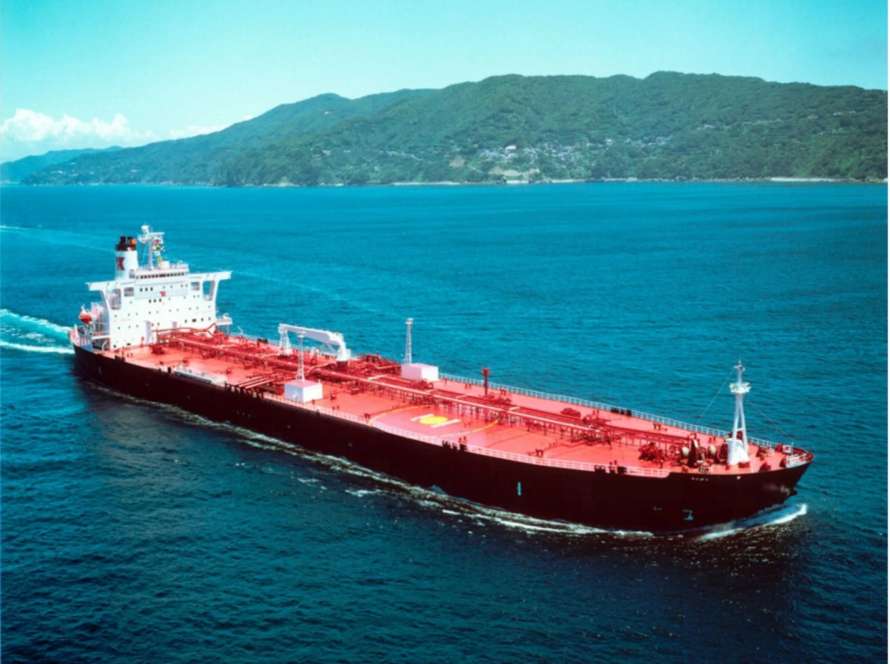
The oceans carry the lifeblood of trade, energy, and progress across continents. Long before airplanes and fiber-optic cables, ships were the first great connectors, turning coastlines into crossroads and shaping civilizations through exchange.
1. The Foundation of Global Trade
Every product that fills a shelf, fuels a factory, or feeds a family has likely crossed the ocean. Maritime commerce remains the foundation upon which global trade is built – a system so vast and intricate that it moves over 80% of world trade by volume.
Container ships, tankers, and bulk carriers form the invisible web connecting producers in one hemisphere to consumers in another. Crude oil from Nigeria, grain from Argentina, electronics from East Asia all find their way across the seas, carried by vessels that have turned logistics into an art form.
Why ships? Because no other mode of transport moves so much, so far, for so little. Their cost-effectiveness and scalability make them indispensable. For businesses, the ocean isn’t a barrier; it’s a bridge that allows nations to access global markets, specialize in what they do best, and trade their way to growth.
Engines of Prosperity
Beyond cargo, maritime trade carries jobs, infrastructure, and opportunity. Ports are not just docks ; they’re economic ecosystems, buzzing with activity from sunrise to sunset.
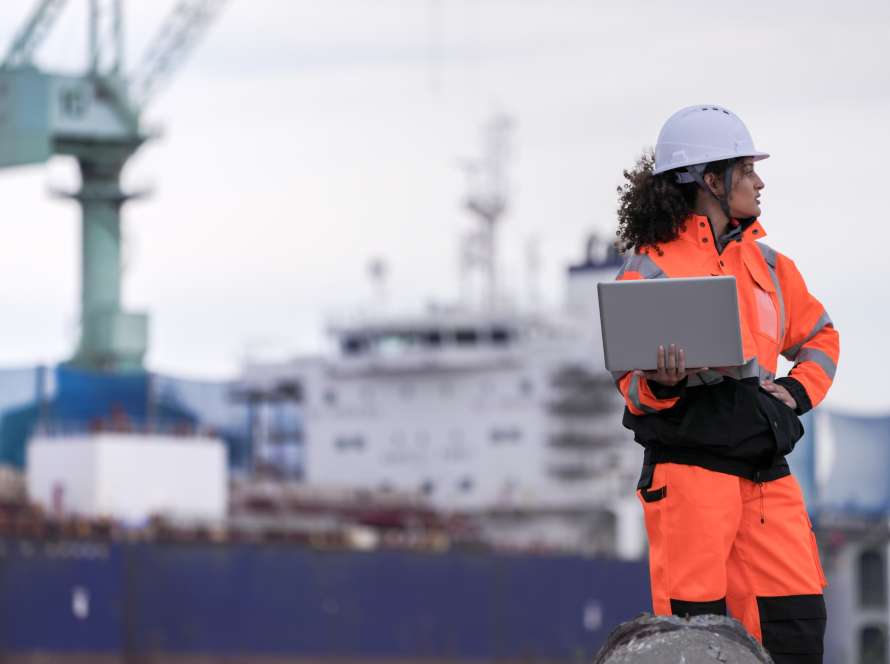
Dockworkers, ship chandlers, freight agents, customs officers, and logistics planners form a chain that extends deep into national economies. Each vessel that berths sets off a ripple effect stimulating transport networks, warehousing, ship repair yards, and local commerce.
In Nigeria and other coastal economies, investment in port modernization and coastal logistics continues to drive job creation and industrial diversification. When maritime commerce flourishes, so do the communities built around it.
The Invisible Network: Supply Chains at Sea
Containerization, introduced in the mid-20th century, revolutionized the way goods move. By standardizing the humble steel box, it made global trade faster, safer, and vastly cheaper. Today, a container packed in Guangzhou can reach Lagos, London, or Los Angeles without ever being unpacked along the way.
This quiet efficiency is what makes “just-in-time” manufacturing and global e-commerce possible. Ships are no longer just carriers of cargo ; they are mobile extensions of supply chains, connecting farms to markets, factories to retailers, and nations to one another.
Navigating Headwinds: The Challenges Ahead
Yet, for all its resilience, the maritime industry sails through stormy waters.
Geopolitical tensions can reroute trade overnight. Piracy and maritime insecurity continue to threaten high-traffic corridors like the Gulf of Guinea. Climate change adds another layer of uncertainty ;rising sea levels, unpredictable weather, and stricter environmental regulations. Then there’s the growing push for decarbonization. Shipping accounts for nearly 3% of global greenhouse gas emissions, and the industry faces mounting pressure to go green. However, where there are challenges, there are also opportunities. Innovation is reshaping the seas:
- Autonomous vessels are reducing human error and improving safety.
- Digital tracking systems are enhancing transparency.
- Green fuels and hybrid propulsion are steering the industry toward a more sustainable horizon.
- The next era of maritime commerce will belong to those who adapt and who see sustainability not as a burden, but as a blueprint for efficiency.
The Horizon Ahead: A Sea of Possibilities
The future of global trade will still be written on water.
Even as the world shifts toward renewable energy and digital economies, the sea remains central. The ships of tomorrow will carry not only oil and goods, but also data cables, offshore wind components, and green fuels – the very building blocks of a new global economy.
For coastal nations like Nigeria, this evolution presents a generational opportunity: to modernize fleets, strengthen port efficiency, and position marine logistics as a strategic growth driver, not just a service.
Charting a Shared Future
Maritime commerce is much more than a system of ships and ports. It is a story of human ingenuity and interdependence. For centuries, it has proven that progress travels best when it travels together.
As the world faces a new era of trade, climate, and technological change, the challenge for the maritime industry is to stay true to that legacy: connecting people, powering prosperity, and protecting the planet that sustains us.
The ocean may separate continents, but maritime commerce keeps them united.
And as long as there are tides to follow and horizons to chase, the world will keep moving forward, together, across the water.