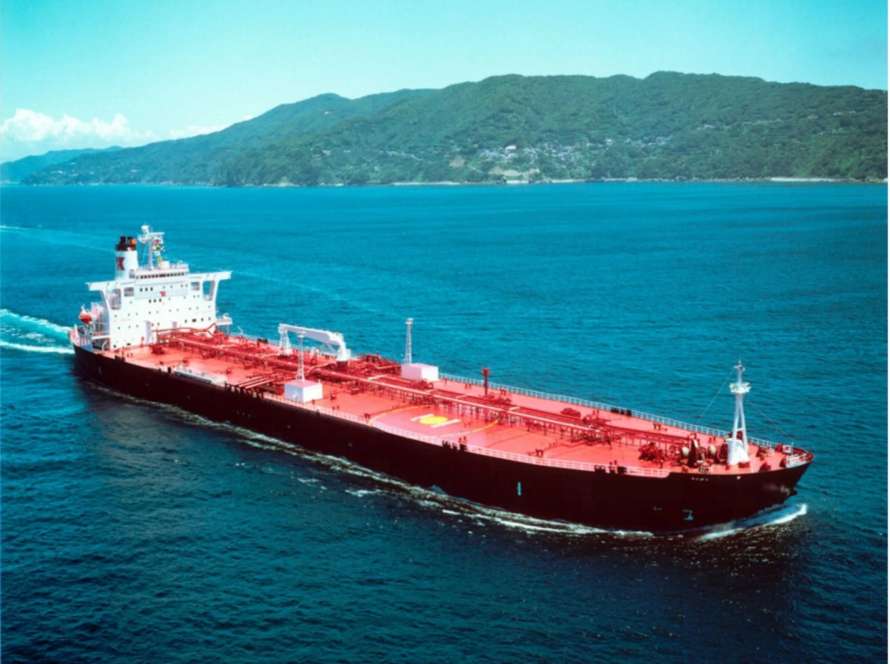
In an era where every industry is being challenged to operate more responsibly, the marine logistics sector sits at a unique intersection. It carries the weight of global trade and in Nigeria’s case, the burden of ensuring crude oil gets from field to export terminal. It also operates within delicate ecosystems, vulnerable coastlines, and communities whose livelihoods depend on clean, safe waters.
For a long time, sustainability in the marine industry was seen as a luxury; a conversation for large international shipping lines and not for developing markets. That perception is changing. Across Nigeria’s waterways, companies are beginning to realize that operational excellence and environmental responsibility are not opposites ; they are partners.
At CCNL, we believe the future of marine logistics must be built not only on speed and efficiency but also on sustainability, stewardship, and shared accountability.
The Environmental Cost of Efficiency
Marine logistics is inherently carbon intensive. Barges, tugs, and shuttle tankers burn burn bunker; operations generate waste oil, plastics and emissions. The temptation is always to prioritize movement – to get barrels out as fast as possible often without visibility into the full environmental footprint.
But efficiency without responsibility is short-lived. Spills, waste mismanagement, and poor maintenance can quickly turn a well-run operation into a reputational and financial liability. The industry is waking up to this reality and so are regulators and financiers.
The Nigerian Maritime Administration and Safety Agency (NIMASA) and the Nigerian Upstream Petroleum Regulatory Commission (NUPRC) are increasingly embedding environmental criteria into licensing, safety audits, and facility approvals. Lenders and insurers now ask questions about carbon intensity and spill prevention. Clients want to know not only how fast you can move crude, but how cleanly.
Sustainability is no longer a badge of virtue – it’s becoming a license to operate.
CCNL’s Commitment: Embedding ESG at Every Level
At CCNL, our sustainability journey began with a simple question: How can we make marine logistics both responsible and competitive?
Our answer was to treat sustainability not as a compliance requirement but as a business philosophy. That means embedding Environmental, Social, and Governance (ESG) principles into every link of our value chain from vessel operations to office culture.
On the environmental front, we are introducing initiatives that directly address our footprint:
- Plastic neutrality programs that account for and offset plastic waste generated during operations.
- Waste audits across offices and operational bases, to minimize impact.
- Preventive maintenance schedules for vessels and equipment to reduce leaks, emissions, and unplanned downtime.
- Energy-efficient routing and scheduling, ensuring less idle time and lower fuel consumption.
Our social initiatives are equally deliberate – sponsoring female students at the Federal College of Fisheries & Marine Technology, creating pathways for young Nigerians to join the maritime workforce, and building partnerships that extend benefits beyond the dock.
Through our governance commitment, we continue to uphold transparency, anti-corruption policies, and ethical engagement across every transaction. We are proud to align with the United Nations Global Compact and its ten principles on human rights, labour, environment, and anti-corruption not because it’s fashionable, but because it reflects the kind of company we aspire to be.
Why Sustainability Is Good Business
There’s an old misconception that sustainability increases cost. In reality, it often drives savings.
When vessels operate efficiently, they consume less fuel and require fewer repairs. When waste is tracked and minimized, disposal fees drop. When operations are transparent and compliant, insurance premiums improve. And when staff feel proud of the company’s values, performance follows.
In the marine sector, sustainability is a business multiplier. It improves reliability, enhances reputation, and strengthens relationships with regulators and clients. For producers seeking evacuation partners, working with companies that demonstrate ESG alignment is increasingly becoming a selection criterion.
In that sense, sustainability is no longer a public relations exercise – it’s part of commercial competitiveness.
Communities and the Human Dimension
Marine operations do not exist in isolation. They happen in real places where communities depend on the same waterways for fishing, transport, and trade.
Sustainability means protecting these environments and ensuring that local people see tangible benefits from industrial activity. Through our outreach programs, CCNL aims to bridge the gap between commerce and community, creating a model where both can thrive.
We’ve seen that when local engagement is strong – when communities trust the process and feel part of the outcome; marine operations become safer, smoother, and more resilient.
At CCNL, we see this as an opportunity to co-create the future of marine logistics ; one where operational excellence and environmental care coexist naturally.
Sailing into a Greener Future
The future of Nigeria’s marine sector will not be written by who moves the most barrels, but by who moves them best – safely, transparently, and sustainably.
Every time a barge departs a field, it carries more than crude. It carries a story – of how responsible operators can balance commerce with care. It carries the collective responsibility of an industry that owes its success to the waters that sustain it.
CCNL’s vision is to lead this new narrative: an ecosystem where efficiency meets ethics, where logistics meet legacy, and where every voyage leaves the environment, and our communities, better than it found them because the seas that move Nigeria’s energy deserve protection.